
Adidas Stays Cautious on U.S. Tariffs, Shifts Focus to Global Growth and Style Trends

Adidas CEO Bjørn Gulden stated Tuesday that the company is taking a cautious, reactive stance toward U.S. tariff changes, prioritizing global markets where over 80% of its business resides.
Speaking during the Q1 earnings call, Gulden noted that only 3% of Adidas’ U.S.-bound sourcing originated from China, a figure the company plans to reduce to zero. Impacted goods have been rerouted to other regions amid ongoing uncertainty around U.S. trade policy. “We do not intend to be the first mover on price increases,” he said, adding that Adidas would respond to competitors, particularly American brands, before adjusting prices.
The German sportswear giant is redirecting its energy toward local relevance in international markets, leveraging limited-edition drops, material innovation, and high-impact collaborations to drive “brand heat.” Gulden highlighted the rising popularity of low-profile silhouettes, noting the success of the Bad Bunny Ballerina sneaker, especially among Latino consumers and increasingly among men. “He is helping us sell a lot of different products,” Gulden said.
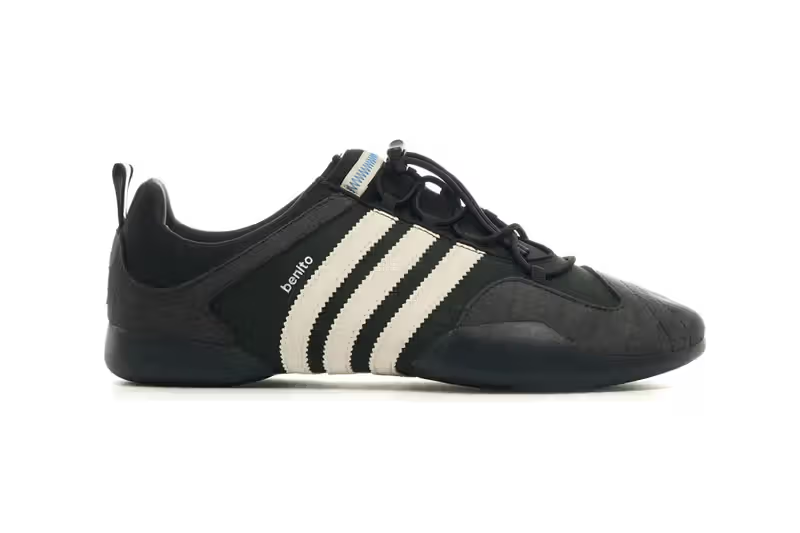
In performance categories, running remains a growth driver, while basketball and football continue to anchor U.S. sales. The Women’s Rugby World Cup in England and the 2026 FIFA World Cup in North America are expected to support future growth in cleats and soccer apparel.
For Q1 ending March 31, Adidas reported net income of €428 million, up from €170 million a year earlier. Operating profit surged to €610 million from €336 million, with revenue rising 12.7% to €6.15 billion. The company reaffirmed its 2025 guidance, projecting high single-digit sales growth and €1.7–€1.8 billion in operating profit.
While Adidas warned that escalating tariffs could pressure U.S. consumers, Gulden emphasized the brand’s flexibility due to its global exposure. “We can finance margin losses in the U.S. by growing in other markets,” he said.
In the broader market, the U.S. Consumer Confidence Index dropped sharply in April, with tariff-related concerns rising among consumers. Rival brand Skechers also referenced tariff pressures in its Q1 call, signaling it may forgo price hikes to protect brand equity.